
Managing Fussy Eating at Christmas: A Dietitian’s Guide to a Calm, Joyful Holiday Table
Wow… where has this year gone?! It’s surreal to think about how much has happened in 2025, and how much we have managed to achieve. Claire and I built this business with all of you in mind - all of you who came to us struggling to manage your child’s feeding challenges. We wouldn’t be here without you, so we wanted to start this blog off by saying THANK YOU! We would not be here without you.
With Christmas fast approaching I thought it would be a good idea to talk about how to manage your child’s feeding difficulties around the festive season. Christmas is a time filled with traditions, family gatherings, and—of course—plenty of food. But if you have a fussy eater in the family, the holidays can also bring a layer of stress. As a dietitian, I often remind families that picky eating is a normal part of childhood development, and festive meals don’t have to become battles. With a little planning and a lot of compassion (for your child and yourself!), you can create an enjoyable and relaxed Christmas mealtime experience.
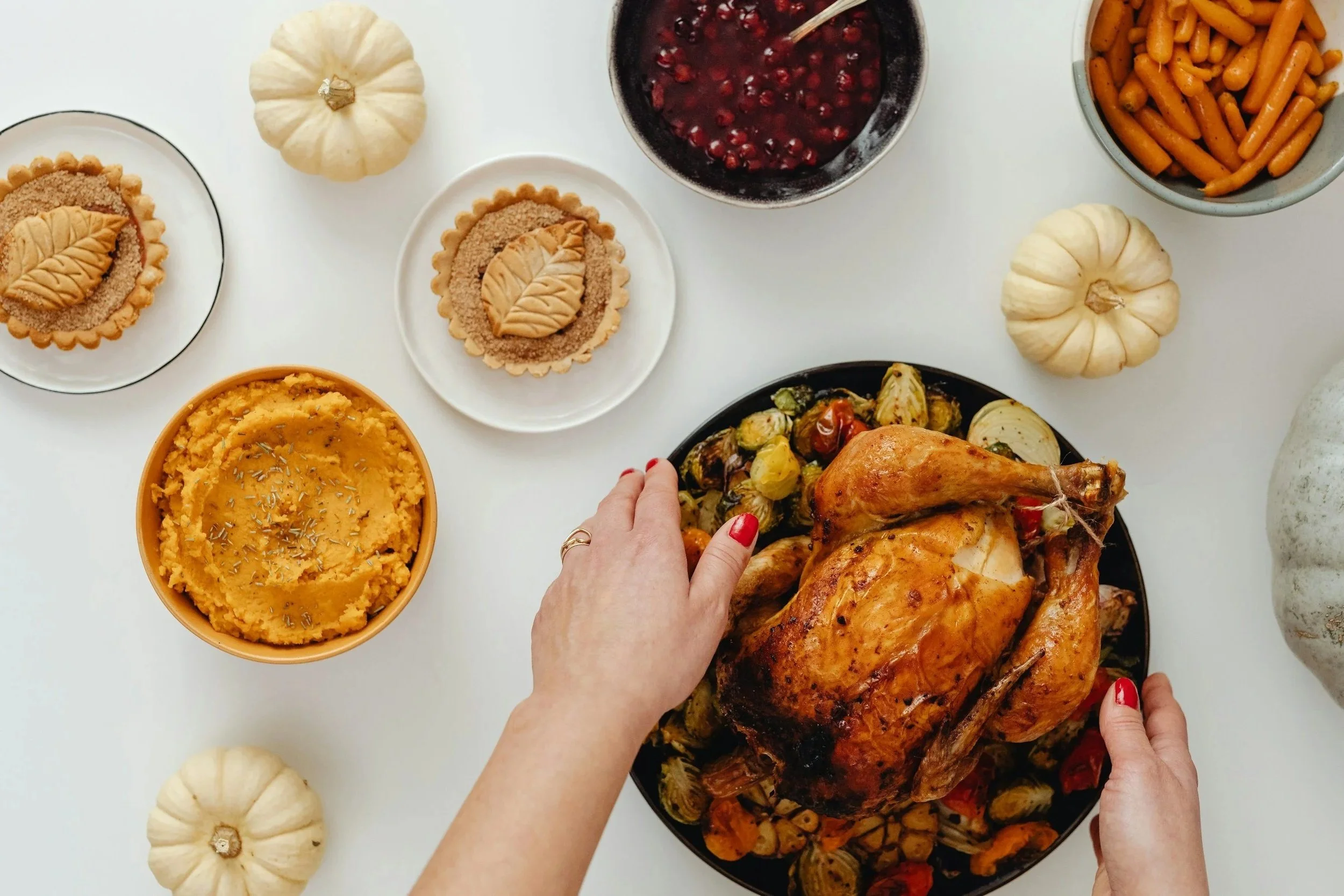
What to Expect Around Christmas Mealtimes
Holiday meals often look very different from what children are used to eating—and that alone can be overwhelming. New textures, strong flavours, unfamiliar aromas, or a plate full of mixed foods can heighten anxiety for a fussy eater. Add in a crowded table, adult expectations, and well-meaning relatives offering comments, and your child may feel pressure to eat or try foods they’re not comfortable with yet.
It’s completely normal if your child eats very little at Christmas dinner, sticks to their “safe foods,” or wants to sit near you for reassurance. Predictability helps children feel safe, and holiday meals are anything but predictable. Understanding this ahead of time can help you respond with empathy and keep the focus on connection rather than consumption.
Top Tips to Keep Stress Levels Low at Christmas Dinner
1. Keep at Least One Safe Food on the Table
Ensure there’s at least one item your child reliably eats—whether it’s bread, plain pasta, fruit, or crackers. This allows them to feel included and reduces pressure on you to coax them into trying new dishes.
2. Avoid Food Battles (and Gently Block Unwanted Pressure From Others)
Phrases like “just try a bite” or “you loved this last year” can create tension. Let relatives know ahead of time that you’re taking a no-pressure approach. Your calm, neutral responses set the tone—and protect your child’s relationship with food.
3. Set Realistic Expectations
This may not be the meal where your child suddenly embraces roasted Brussels sprouts or cranberry sauce. Instead of aiming for adventurous eating, aim for a positive atmosphere. Meet your child with where they are at with their level of exposure to different foods. Is being in the same room as new foods enough of a challenge? Or are they easily able to tolerate a small amount of new food on their plate? Can they serve a food for others perhaps? Now is not the time to push them up the next step of exposure - go into the meal with an understanding of what will keep them comfortable and happy.
4. Involve Your Child in the Lead-Up
Children are more likely to feel comfortable around foods they help prepare. Let them stir, mash, pick herbs, or help set the table. These low-pressure exposures build familiarity without the expectation of eating.
5. Keep Routines Where Possible
Holidays are inherently busy, but sticking to familiar meal and snack patterns helps prevent kids from arriving at the table overly hungry or overstimulated. A well-timed snack can be the difference between a peaceful dinner and a meltdown.
Remember: one meal—Christmas or otherwise—doesn’t define your child’s eating habits. Connection and comfort at the table matter far more than what’s on the plate.
Wherever you are this Christmas, we hope you have a joyous time!